Bagi yang membutuhkan materi Perilaku Organisasi, berikut adalah link nya:
Download Materi Perilaku Organisasi
Rabu, 22 Agustus 2018

Materi - Ekonomi Makro
Bagi yang membutuhkan materi Ekonomi Makro, berikut saya bagikan link:
Download - Materi Ekonomi Makro
Download - Materi Ekonomi Makro
Sabtu, 28 Januari 2017
How to Solve "The Site Can't be Reached"
Bagi Anda yang pernah mengalami kejadian bahwa www.youtube.com tidak bisa dibuka seperti ini...

Berikut adalah langkah yang bisa Anda lakukan:


Berikut adalah langkah yang bisa Anda lakukan:
- Klik Kanan di Lambang Windows dan Klik Command Prompt (Admin)
- Dalam Layar Command Prompt kemudian
- ketik ipconfig/flushdns kemudian tekan enter
- ketik ipconfig/renew kemudian tekan enter
- ketik ipconfig/registerdns kemudian tekan enter
Seperti ini,

Setelah itu Anda bisa membuka Youtube kembali seperti ini

Semoga Artikel ini membantu Anda...
Rabu, 25 Januari 2017
Materi Kuliah Manajemen Strategi Lengkap

Manajemen Strategi bisa Anda download disini.
Bagi sebagian Mahasiswa, hanya sebagian saja. Manajemen Strategi terkadang sulit untuk dipelajari. Well, sebenarnya tidak begitu. Melihat mayoritas mahasiswa sekarang tampaknya malas (tidak mau) membaca. Tips dari saya adalah, ketika mempelajari suatu Mata Kuliah, Anda memang perlu untuk memahami semua materi, namun hal tersebut tidak akan terjadi selama Anda tidak pernah melakukan repetisi (pengulangan) atau di baca-baca lagi.
Untuk Manajemen Strategi, defisini aslinya adalah "Seni dan Pengetahuan dalam Merumuskan, Mengimplementasikan, serta Mengevaluasi keputusan – keputusan lintas – fungsional yang memampukan sebuah Organisasi mencapai tujuannya" (Fred R. David, 2010).
Berdasarkan definisi tersebut, tentu masih saja ada beberapa mahasiswa yang tidak memahami. Sekarang definisi mudahnya adalah jangan pernah mengartikan definisi tersebut, tetapi buatlah definisi tersebut dengan versi sendiri dari apa yang Anda pahami. Contohnya adalah Manajemen Strategi adalah bagaimana cara, tahapan atau langkah yang harus dilakukan untuk mencapai tujuan tertentu. Definisi tersebut lebih mudah diingat dan dipahami daripada definisi asalnya.
Kemudian, selama satu semester, Anda akan mempelajari ilmu - ilmu teknis dari Manajemen Strategi itu sendiri, diantaranya adalah:
Bagi sebagian Mahasiswa, hanya sebagian saja. Manajemen Strategi terkadang sulit untuk dipelajari. Well, sebenarnya tidak begitu. Melihat mayoritas mahasiswa sekarang tampaknya malas (tidak mau) membaca. Tips dari saya adalah, ketika mempelajari suatu Mata Kuliah, Anda memang perlu untuk memahami semua materi, namun hal tersebut tidak akan terjadi selama Anda tidak pernah melakukan repetisi (pengulangan) atau di baca-baca lagi.
Untuk Manajemen Strategi, defisini aslinya adalah "Seni dan Pengetahuan dalam Merumuskan, Mengimplementasikan, serta Mengevaluasi keputusan – keputusan lintas – fungsional yang memampukan sebuah Organisasi mencapai tujuannya" (Fred R. David, 2010).
Berdasarkan definisi tersebut, tentu masih saja ada beberapa mahasiswa yang tidak memahami. Sekarang definisi mudahnya adalah jangan pernah mengartikan definisi tersebut, tetapi buatlah definisi tersebut dengan versi sendiri dari apa yang Anda pahami. Contohnya adalah Manajemen Strategi adalah bagaimana cara, tahapan atau langkah yang harus dilakukan untuk mencapai tujuan tertentu. Definisi tersebut lebih mudah diingat dan dipahami daripada definisi asalnya.
Kemudian, selama satu semester, Anda akan mempelajari ilmu - ilmu teknis dari Manajemen Strategi itu sendiri, diantaranya adalah:
- Analisis SWOT
- Analisis SPACE
- Analisis BCG
- Analisis IE
- Analisis QSPM
- Analisis BSC
Analisis SWOT
Pertanyaan pertama adalah, SWOT itu apa? well, SWOT adalah singkatan dari Strength (Kekuatan), Weaknesses (Kelemahan), Opportunities (Peluang) dan Threats (Ancaman).
Lebih dalam, Anda tentu perlu memahami bahwa SWOT digunakan untuk mengetahui Apa saja yang sudah Anda miliki dalam bisnis dan dengan hal - hal yang sudah Anda miliki apa yang harus Anda lakukan demi menghadapi persaingan bisnis, baik secara jangka pendek maupun jangka panjang.
Kekuatan sendiri berbicara tentang apa yang sudah Anda miliki saat ini? Apakah yang membuat Anda merasa superior dan paling hebat diantara pesaing yang ada?. Setelah mengetahui Apa saja yang benar - benar Anda miliki, kini saatnya Anda menganalisis diri Anda sendiri lebih jauh terkait dengan hal apa saja yang belum Anda miliki? Hal apa yang belum mampu Anda capai saat ini? Hal apa saja yang menurut Anda masih buruk?. Dengan melakukan hal ini, Anda dapat lebih mengenal apa yang sudah Anda miliki dan belum Anda miliki. Kemudian, Anda perlu mengetahui peluang apa saja yang bisa Anda raih (dapatkan) di kemudian hari, hal - hal yang kemungkinan mampu menguntungkan bagi Anda serta hal - hal apa saja yang akan mengancam Anda dikemudian hari. Jawaban atas pertanyaan - pertanyaan tersebut kemudian akan dirangkai menjadi suatu strategi (cara) yang harus Anda lakukan demi mencapai tujuan yang Anda inginkan.
Analisis SPACE
Hal ingin dilihat dari SPACE ini adalah Anda dapat melihat posisi bisnis berdasarkan 4 (empat) hal, yaitu:
- Posisi Keuangan yang dimiliki
- Keunggulan Bersaing Bisnis saat ini
- Kestabilan Posisi Bisnis
- Posisi Industri dimana Bisnis Anda berada saat ini
(to be continued)
Tempat UPLOAD dan DOWNLOAD file GRATIS!!

Semua orang saat ini sudah familiar dengan situs penyimpanan online atau Cloud Storage. Melalui cloud storage, kamu bisa menyimpan file besar karena diciptakan sebagai tempat dimana penggunanya bisa menyimpan file milik mereka secara online tanpa membutuhkan hardware. Untuk kamu yang suka upload file, saya akan sharing tempat upload file terbaik!
1. Google Drive
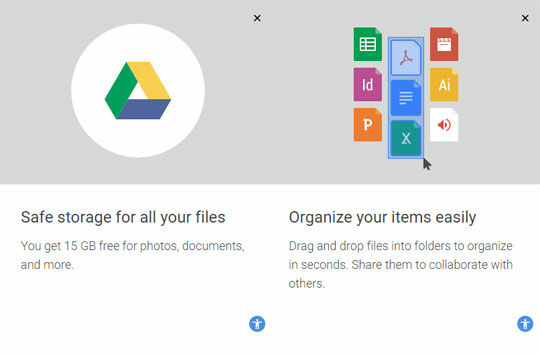
Google Drive memberi 15 GB kapasitas untuk upload, namun dapat upgrade dengan cara melakukan pembayaran.
2. Solid Files
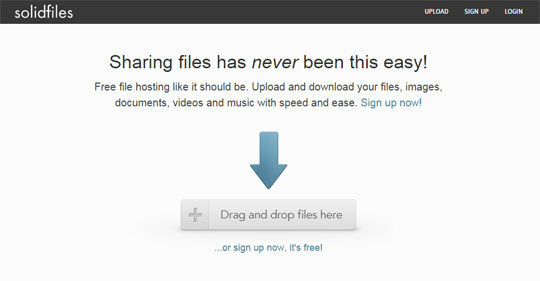
Solid Files memberi 50 GB kapasitas untuk upload, namun dapat upgrade dengan cara melakukan pembayaran.
3. Drop Box
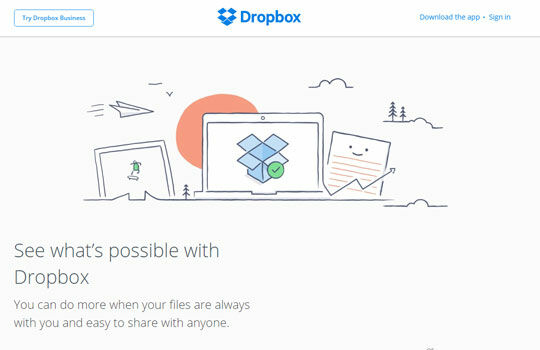
Drop Box memberi 2 GB kapasitas untuk upload, namun dapat upgrade dengan cara melakukan pembayaran.
4. Mediafire

Mediafire memberi 10 GB kapasitas untuk upload, namun dapat upgrade dengan cara melakukan pembayaran.
5. 4shared

4shared memberi 10 GB kapasitas untuk upload, namun dapat upgrade dengan cara melakukan pembayaran.
6. Indowebster

Indowebster memberi 1 GB kapasitas untuk upload, namun dapat upgrade dengan cara melakukan pembayaran.
Pilihlah tempat upload dengan bijak. Tips dari saya adalah, Anda dapat membuat banyak email untuk meningkatkan kapasitas upload secara gratis, namun pengalaman saya mengatakan bahwa pembuatan email membutuhkan nomor telepon untuk aktivasi, dimana maksimal email dalam satu nomor telepon adalah 15 email. Tinggal Anda kalikan berapa jumlah telepon selular yang Anda miliki dan kapasitas penyimpanan gratis yang bisa Anda miliki.
Materi Kuliah Perilaku Organisasi

Selamat Pagi, Siang, Sore dan Malam...
Materi Kuliah Perilaku Organisasi ini adalah materi presentasi yang telah digunakan untuk lebih mudah memahami isi dari perilaku - perilaku apa saja yang ada dalam organisasi.
Mayoritas Mahasiswa saat ini saya yakini tidak suka membaca, sehingga apabila dalam setiap perkuliahan mereka harus berhadapan dengan teori, mayoritas dari mereka tidak akan pernah mengganggap serius mata kuliah tersebut.
Selama 3 tahun sebagai dosen, saya menyadari bahwa mahasiswa S1 itu butuh praktek, terutama untuk bidang ilmu sosial. mudah-mudahan materi Perilaku Organisasi ini dapat membantu.
Berikut saya bagikan di link berikut ini: Materi Perilaku Organisasi Lengkap
1. Buku Utama
2. Materi Presentasi
Semoga membantu...
Kamis, 19 Januari 2017
Literature Review

Actually, Literature Review is to show your reader (or tutor) that you have read, and have a good grasp of, the main published work concerning a particular topic or question in your field.
Literature Review is very important to note that your review shouldn't be simply a description of what others have published in the form of a set of summaries, but should take the form of a critical discussion, showing insight and an awareness of differing arguments, theories and approaches.
Literature Review should be a synthesis and analysis of the relevant published work, linked at all times to your own purpose and rationale.
Actually, Literature Review should:
- Compare and Contrast different Authors' Views on an issue
- Group authors who draw similar conclusions
- Criticise Aspects of Methodology, but not in the areas in which authors are in disagreement
- Highlight Exemplary Studies and Gaps in Research
- Show How your Study Relates to Previous Studies and Literature in General
- Conclude by Summarising what the Literature says
- Define and Limit the Problem
- Put your study in an historical perspective
- Avoid Unnecessary Duplication
- Evaluate promising research methods
- Relate findings to previous research results and suggest further research
A good literature review is critical of what has been written, identifies areas of controversy, raises questions and identifies areas which need further research.
Structure of the Literature Review
The overall structure of your review will depend largely on your own thesis or research area. What you will need to do is to group together and compare and contrast the varying opinions of different writers on certain topics. What you must not do is just describe what one writer says, and then go on to give a general overview of another writer, and then another, and so on. Your structure should be dictated instead by topic areas, controversial issues or by questions to which there are varying approaches and theories. Within each of these sections, you would then discuss what the different literature argues, remembering to link this to your own purpose.
Linking words are important. If you are grouping together writers with similar opinions, you would use words or phrases such as:
Similarly, in addition, Also, Again.
More importantly, if there is disagreement, you need to indicate clearly that you are aware of this by the use of linkers such as:
However, on the other hand, Conversely, Nevertheless
At the end of the review you should include a summary of what the literature implies, which again links to your hypothesis or main question.
Writing the Literature Review
- Decide what you need to read. In many cases you will be given a booklist or directed towards areas of useful published work. Make sure you use this help. With dissertations, and particularly theses, it will be more down to you to decide. It is important, therefore, to try and decide on the parameters of your research. What exactly are your objectives and what do you need to find out? In your review, are you looking at issues of theory, methodology, policy, quantitive research, or what?
- Compile a list of the main areas and questions involved, and then read with the purpose of finding out about or answering these. Unless something comes up which is particularly important, stick to this list, as it is very easy to get sidetracked, particularly on the internet.
- Needs a clear line of argument. You therefore need to use the critical notes and comments you made whilst doing your reading to express an academic opinion. Make sure that (1) you include a clear, short introduction which gives an outline of the review, including the main topics covered and the order of the arguments, with a brief rationale for this. (2) there is always a clear link between your own arguments and the evidence uncovered in your reading. Include a short summary at the end of each section. (3) Use quotations if appropriate.you always acknowledge opinions which do not agree with your thesis. If you ignore opposing viewpoints, your argument will in fact be weaker.
- Must be written in a formal, academic style. Keep your writing clear and concise, avoiding colloquialisms and personal language. You should always aim to be objective and respectful of others' opinions; this is not the place for emotive language or strong personal opinions. If you thought something was rubbish, use words such as "inconsistent", "lacking in certain areas" or "based on false assumptions"!
- When introducing someone's opinion, don't use "says", but instead an appropriate verb which more accurately reflects this viewpoint, such as "argues", "claims" or "states". Use the present tense for general opinions and theories, or the past when referring to specific research or experiments.
- Always separate your source opinions from your own hypothesis. making sure you consistently reference the literature you are referring to. When you are doing your reading and making notes, it might be an idea to use different colours to distinguish between your ideas and those of others.
Use this list:
- Have you indicated the purpose of the review?
- Are the parameters of the review reasonable?
- Why did you include some of the literature and exclude others?
- Which years did you exclude?
- Have you emphasised recent developments?
- Have you focussed on primary sources with only selective use of secondary sources?
- Is the literature you have selected relevant?
- Is your bibliographic data complete?
- Have you organised your material according to issues?
- Is there a logic to the way you organised the material?
- Does the amount of detail included on an issue relate to its importance?
- Have you been sufficiently critical of design and methodological issues?
- Have you indicated when results were conflicting or inconclusive and discussed possible reasons?
- Have you indicated the relevance of each reference to your research?
- Has your summary of the current literature contributed to the reader's understanding of the problems?
- Does the design of your research reflect the methodological implications of the literature review?
Langganan:
Postingan (Atom)